The Lasting Impact of Professional Finishing on Industrial Steel
Observations in Singaporean warehouses often reveal a clear pattern in equipment longevity. Two sets of steel racks of identical grade and age can diverge significantly in condition over just a few years. One remains pristine while the other shows flaking paint and creeping rust. This variation usually stems from the quality of the surface finish rather than the steel itself.
Steel finishing is frequently the final decision in a fabrication project. While this sequence fits a production timeline, it often leads to the misconception that the finish is an optional aesthetic choice. In a climate where humidity regularly exceeds 80 percent and salt air moves inland, an untreated surface begins to degrade within months.
The Science of the Surface Profile
Raw steel from a mill is covered in microscopic ridges and valleys. These pockets are invisible to the eye, but they easily trap moisture and airborne salts. Such contaminants slow the drying process and provide a foothold for corrosion. A professional finish, such as electropolishing or an industrial powder coat, effectively seals this surface profile.
A smoother surface has less total area exposed to chemical reactions. Water sheets off the metal instead of sitting in tiny grooves. For any custom steel fabrication intended for production floors or outdoor sites, the finish determines if the asset lasts for five years or fifteen.
Protecting Mild Steel Structures
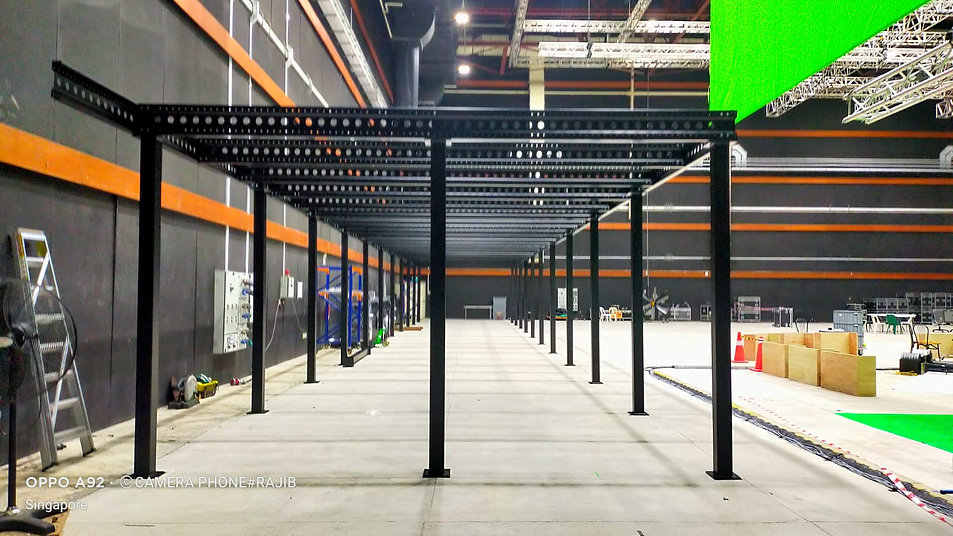
While stainless steel has inherent resistance due to its chromium content, mild steel depends entirely on its outer layer. When a project utilizes mild steel for large structural work to manage costs, the coating is the primary defense against the atmosphere.
Hot-dip galvanizing bonds a zinc layer to the steel, which then oxidizes before the iron can. Powder coating creates a hard shell through heat curing. Both methods are effective, but failure occurs if the application is uneven. Gaps at welds or thin patches allow rust to travel underneath the coating. By the time bubbles appear on the surface, the damage has usually spread several centimeters in every direction. Replacing or repairing these structures often costs more than the original build.
Operational Impact and Audit Readiness
Rough or mill-finish steel is slow to clean. Grime and oils become embedded in the surface texture, forcing staff to spend more time using harsh chemicals. This is a significant issue for facilities with strict hygiene needs, such as electronics assembly or pharmaceutical storage.
A properly finished surface, like a No. 4 brushed finish, allows for a quick wipe-down because there is nothing for contaminants to grip. If a facility operates dozens of pieces of equipment that each take twice as long to clean, the business loses hundreds of staff hours annually.
Selecting the Correct Match
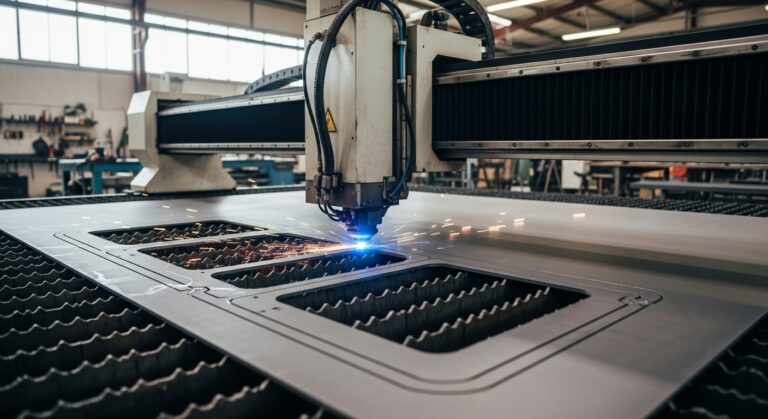
The finish must suit the specific environment rather than just the budget. A powder coat designed for a dry warehouse might blister in a commercial kitchen. Similarly, laser-cut and bent components require professional deburring before any coating is applied to ensure the finish bonds evenly.
Iron Worker specifies finishes based on the actual operating conditions of each project. To ensure equipment performs and lasts for the full life of the asset, contact the team to discuss the best solution for a facility.
Frequently Asked Questions
● What causes brown stains on stainless steel in Singapore?
This is often referred to as “tea staining” and is caused by salt and moisture in the air. While it is usually cosmetic, it can lead to deeper pitting if ignored. Professional passivation or re-polishing can clear the staining and slow its return.
● Is powder coating better than standard paint for warehouses?
Powder coating is more durable because it is heat-cured into a hard layer. It resists the scratches and chips common in heavy-duty manufacturing environments far better than liquid paint.
● Can finishing be handled after the equipment is installed?
Some minor touch-ups are possible on-site, but the most durable finishes require controlled factory conditions. Processes like electropolishing and powder coating cannot be replicated in the field without risking early failure.
● What is a “Mill Finish”?
This is the raw state of the steel as it leaves the factory. It is usually dull and contains various surface inconsistencies. A “Brushed Finish” is a secondary process that uses abrasives to create a consistent look that hides daily wear.
● Does a better finish reduce cleaning labor costs?
In high-standard facilities, the time saved on scrubbing smooth surfaces can reduce labor costs significantly over the life of the equipment. Smooth surfaces prevent grime from becoming embedded.